 Fire safety
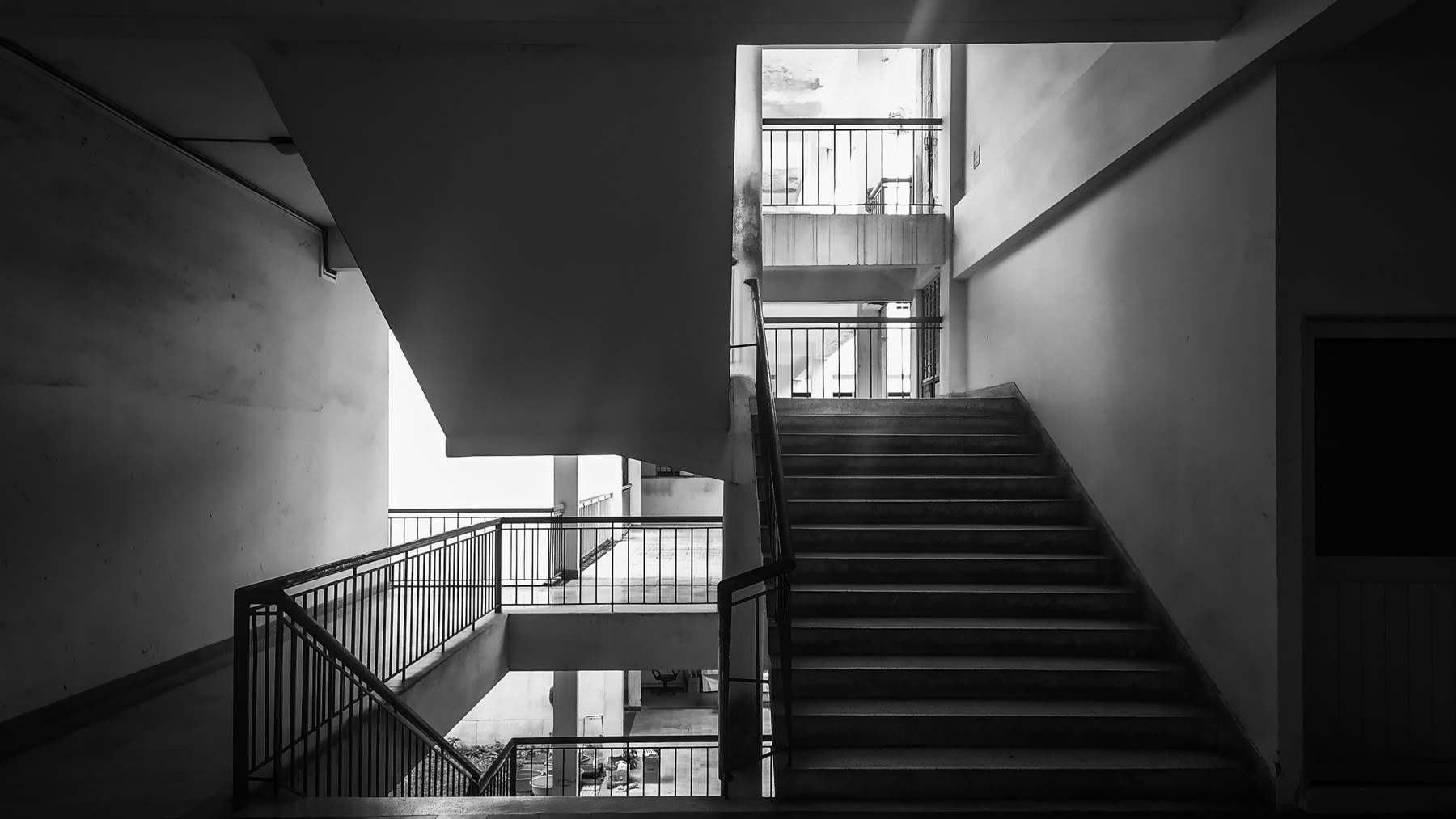
Blocks of flats
Common parts, external walls and flat entrance doors.
Fire risk assessments, fire door inspections and fire safety advice for flats, housing schemes, care homes and business premises across England, Wales and Scotland
Get a free quote Every finding recorded on site, with clear priorities
Trimax brings together fire safety professionals with many years of experience across housing, commercial and higher-risk buildings.
We also QA validate fire risk assessments for other fire safety companies, so we know the mistakes that weaken a report, and make sure ours don't contain them.
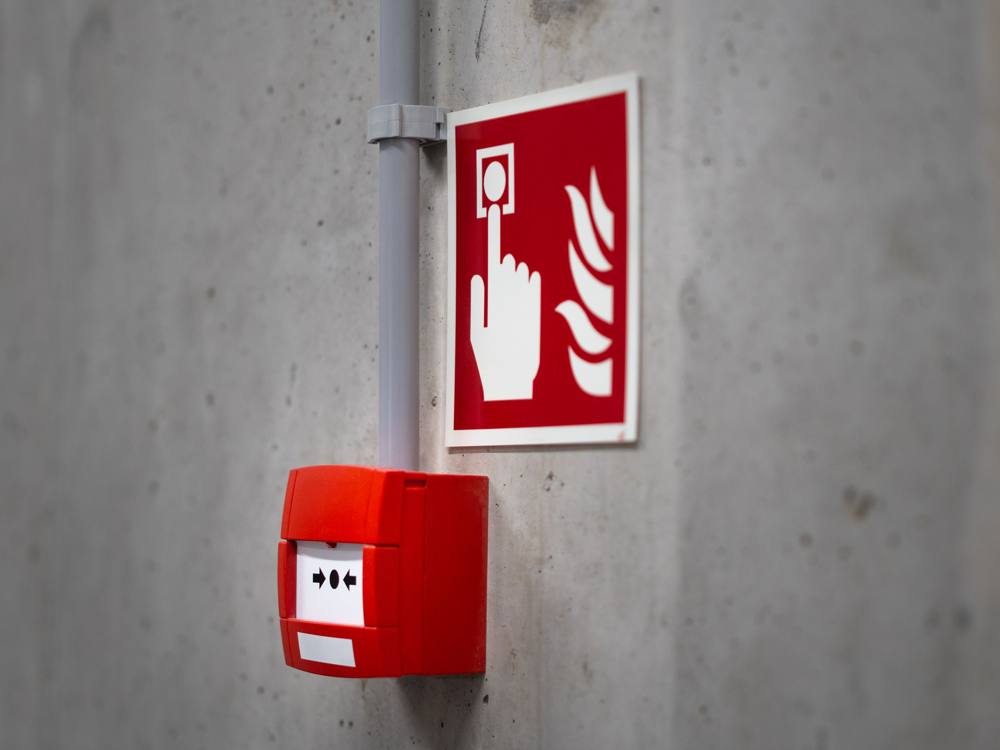 Alarms, doors, signage and escape routes: checked on every visit
Fire risk assessments. A full inspection of your building and how it is managed, with a written report setting out each risk and what to do about it, in order of priority. Type 1 to Type 4 assessments for blocks of flats, assessments of care homes and business premises, and pre-occupation assessments for new and refurbished buildings.
Fire door inspections. Checks of communal and flat entrance fire doors, covering the door, frame, seals, gaps, hinges, glazing and self-closer, with a clear record of what passes and what needs work.
QA validation. Independent technical review of fire risk assessments written by other assessors, so reports are accurate and defensible before they reach the client.
Fire safety consultancy. Practical advice on your duties as a responsible person, existing reports, remedial works and fire service visits.
Request a quote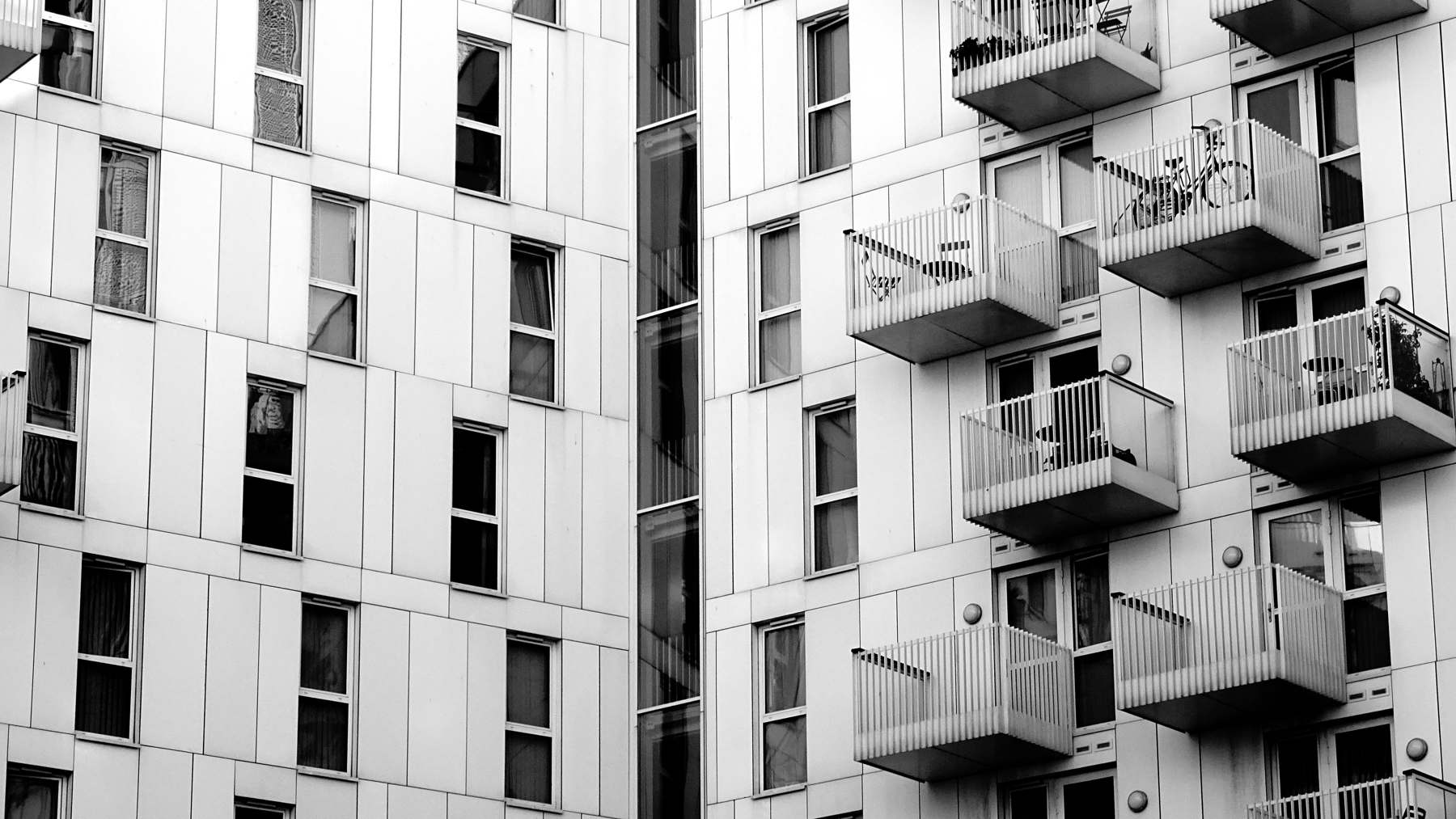
Each type of building brings its own risks and legal duties. These are the premises we know best.
Common parts, external walls and flat entrance doors.
Schemes where residents may need help to escape.
Tall residential buildings with additional legal duties.
Shops or offices with homes above, and shared escape routes.
Residential and nursing homes, where residents may depend on staff to evacuate.
Offices, business parks, high-street shops and shopping centres.
Storage, distribution and light industrial premises.
Pre-occupation assessments before residents move in.
Straightforward, technically sound fire safety advice from people who do this every day.
On an IFSM or IFE register at advanced level, and members of both bodies.
Fire safety professionals with many years' experience between them.
Our QA work for other firms keeps our own standards high.
Reports reference BS 9792:2025 and PAS 79-1:2020, not withdrawn guidance.
Every finding has its own recommendation and priority.
A fixed quote agreed before work starts, based on the site information you give us.
We usually reply to enquiries within one working day.
Consultants based in Bedfordshire, Buckinghamshire, Essex and Manchester.

Tell us about the building and what you need. We'll come back to you with a scope and a fixed fee based on the information you provide, usually within one working day.
We cover England, Wales and Scotland. Our consultants are based in four locations, so there is usually someone local to your building.
It is a careful look at your building to work out how a fire could start, who would be in danger if it did, and whether the measures in place are good enough to keep people safe. The result is a written report with a list of actions, each given a priority so you know what to tackle first.
The law calls the person with legal duties for fire safety the responsible person. In a workplace it is usually the employer. In other buildings it is the owner, landlord, freeholder, managing agent or whoever has control of the premises. A building can have more than one responsible person, and they must cooperate and share information with each other. See Fire safety in the workplace (GOV.UK).
The law says the assessment must be reviewed regularly to keep it up to date, and straight away if something significant changes, such as building work, a change of use, a fire or a near miss. In practice many buildings are reviewed every year, and higher-risk buildings more often.
For a small, simple premises the law allows it, provided you are competent to do it properly. For anything more complex, government guidance recommends appointing a competent professional assessor, and checking their training, experience and qualifications before you do.
Fire and rescue services can issue enforcement notices requiring improvements, or prohibition notices that restrict or stop the use of a building. Failing to comply is a criminal offence, with penalties of an unlimited fine and, in serious cases, up to two years in prison. See Enforcement and sanctions for non-compliance (GOV.UK).
Yes. Any building with two or more flats sharing common parts, such as stairs, corridors or an entrance hall, needs one. That includes houses converted into flats. The assessment covers the common parts, the building's structure and external walls, and the entrance doors to each flat.
These describe how far the inspection goes in a block of flats.
| Type | What is inspected | How |
|---|---|---|
| Type 1 | Shared areas only | Non-destructive |
| Type 2 | Shared areas only | Destructive (opening up some construction) |
| Type 3 | Shared areas and a sample of flats | Non-destructive |
| Type 4 | Shared areas and a sample of flats | Destructive |
A Type 1 is the usual starting point. We will advise if a more detailed type is needed.
In residential buildings with storeys over 11 metres, communal fire doors must be checked every three months and flat entrance doors every twelve months, on a best endeavours basis. In lower buildings, fire doors should be checked as part of your fire risk assessment and routine management. See the government fire door guidance and checklist.
In any block with two or more flats, residents must be given clear fire safety instructions, including what to do if there is a fire, and information about why fire doors matter and how to look after them.
Residents are more likely to be older, have reduced mobility or need help to escape. The assessment looks closely at the evacuation strategy, alarm systems, staffing levels, and whether the building and its management match the needs of the people living there.
Since 6 April 2026, the Fire Safety (Residential Evacuation Plans) (England) Regulations 2025 apply to blocks of flats 18 metres or seven storeys and above, and to blocks over 11 metres with a simultaneous evacuation strategy. In those buildings, residents who would struggle to escape unaided must be offered a personal evacuation plan, and a building evacuation plan is also required. We can advise on whether the rules apply to your scheme. See Residential PEEPs guidance (GOV.UK).
Many care home residents cannot escape without help, so the assessment looks closely at how staff would move people to safety, often horizontally into a protected area first. That includes night-time staffing levels, the evacuation strategy and how it is practised, fire doors and compartmentation, fire detection and alarm systems, and the risks from things like oxygen, smoking and mobility equipment. Care homes are assessed using PAS 79-1:2020 and the government's guidance on residential care premises.
It looks at the fire risk to a specific resident in their own home, taking into account things like mobility, smoking, use of oxygen or hoarding. It sits alongside the building's main fire risk assessment rather than replacing it.
Yes. Every non-domestic premises in England and Wales needs one, whatever its size. Since 1 October 2023 the assessment must be recorded in full, even if you have fewer than five employees. See your responsibilities under section 156 (GOV.UK).
Usually both you and your landlord have duties. You are responsible for the areas you control, and the landlord or managing agent for shared areas and the building itself. You must cooperate and share fire safety information with each other.
Yes. Staff must be given suitable fire safety training when they start, and refreshed regularly. The fire risk assessment should identify what training is needed and whether anyone needs specific duties, such as fire marshals.

The fixed installation, its testing records, and how portable appliances are used and checked.
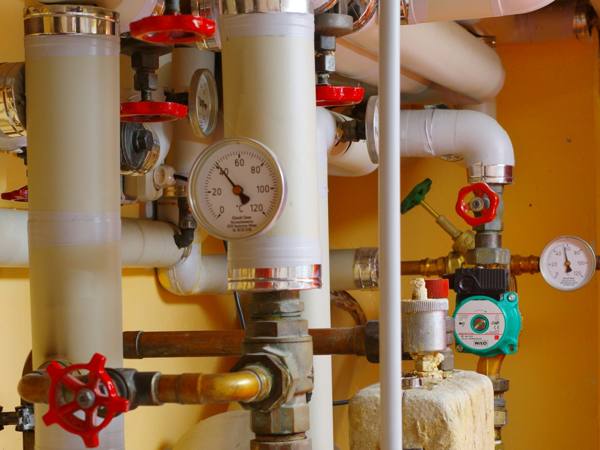
Boilers, heaters and plant rooms, their servicing and anything stored near them.
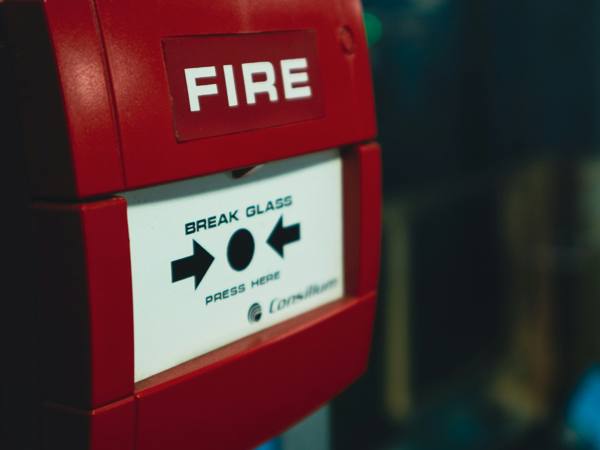
Emergency lighting, fire detection and alarm systems, and their testing.
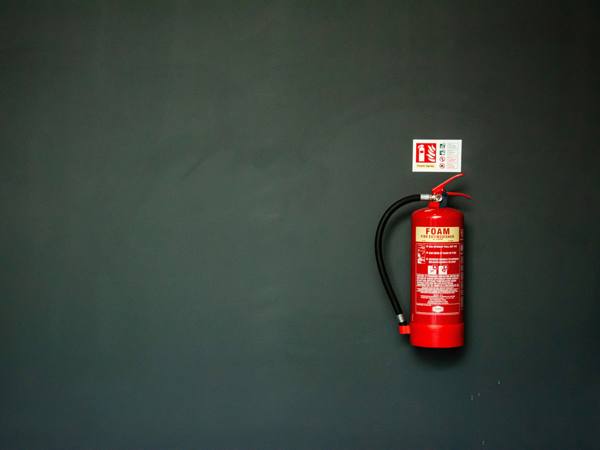
Sources of ignition, combustible storage and arson risk, plus extinguishers and other firefighting equipment.
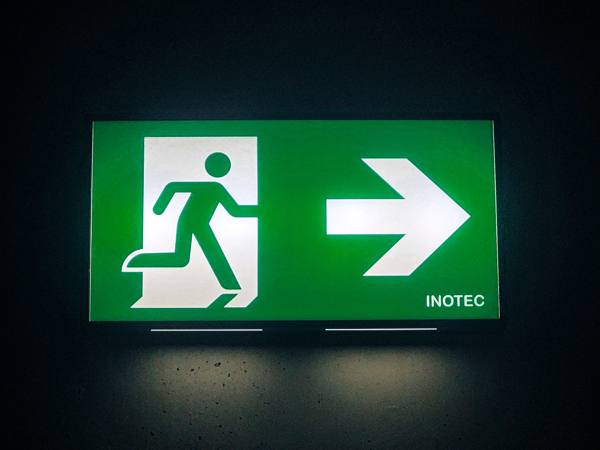
Exits, fire doors, compartmentation and signage that get people out safely.
Fire safety law has changed a great deal since the Grenfell Tower fire in 2017. Select each piece of legislation to see who it applies to, what it requires, and links to the official text and government guidance.
Applies to: Almost all premises in England and Wales other than individual private homes. That includes workplaces, shops, offices, holiday lets and care homes, and it includes blocks of flats, converted houses and houses in multiple occupation (HMOs). In those residential buildings it covers the common parts, the structure and external walls, and the flat entrance doors, but not the inside of each flat. A small number of premises are excluded, such as ships, mines and offshore installations.
Read the Order (legislation.gov.uk)Fire safety in the workplace (GOV.UK)Enforcement and sanctions (GOV.UK)
Applies to: Buildings containing two or more sets of domestic premises, such as blocks of flats and converted houses.
Read the Act (legislation.gov.uk)Fire safety in purpose-built blocks of flats (GOV.UK)
Applies to: Buildings containing two or more sets of domestic premises. Further duties apply as the building gets taller.
Read the Regulations (legislation.gov.uk)Fire Safety (England) Regulations 2022 guidance (GOV.UK)Fire door guidance and checklist (GOV.UK)
Applies to: All premises covered by the Fire Safety Order.
Read section 156 (legislation.gov.uk)Your responsibilities under section 156 (GOV.UK)
Applies to: Buildings with two or more flats that are 18 metres or seven storeys and above, or over 11 metres with a simultaneous evacuation strategy.
Read the Regulations (legislation.gov.uk)Residential PEEPs guidance (GOV.UK)
Applies to: Fire risk assessors and responsible persons.
This is a summary of the main duties in England, not a complete statement of the law, and it does not replace advice on your specific building. Wales and Scotland have their own rules, and we assess buildings there against the legislation that applies locally. For all official guidance in one place, see Fire safety legislation: guidance for those with legal duties (GOV.UK).